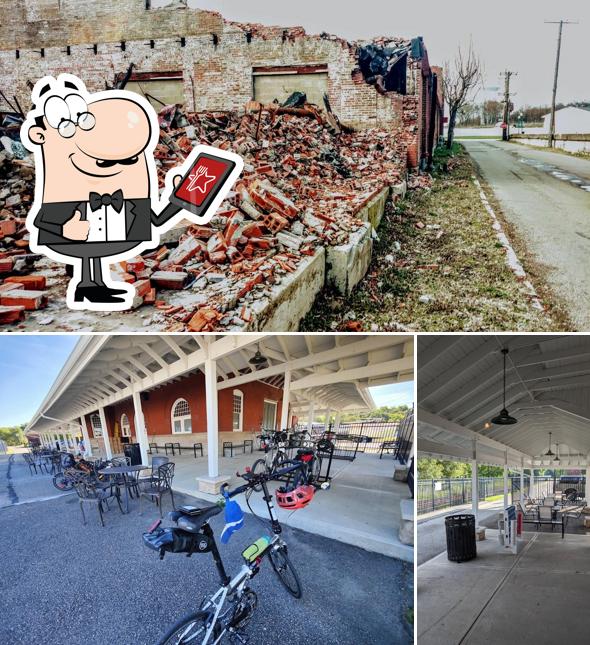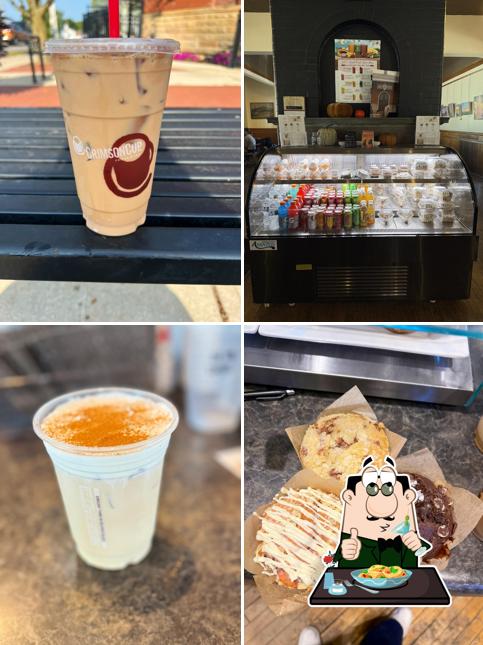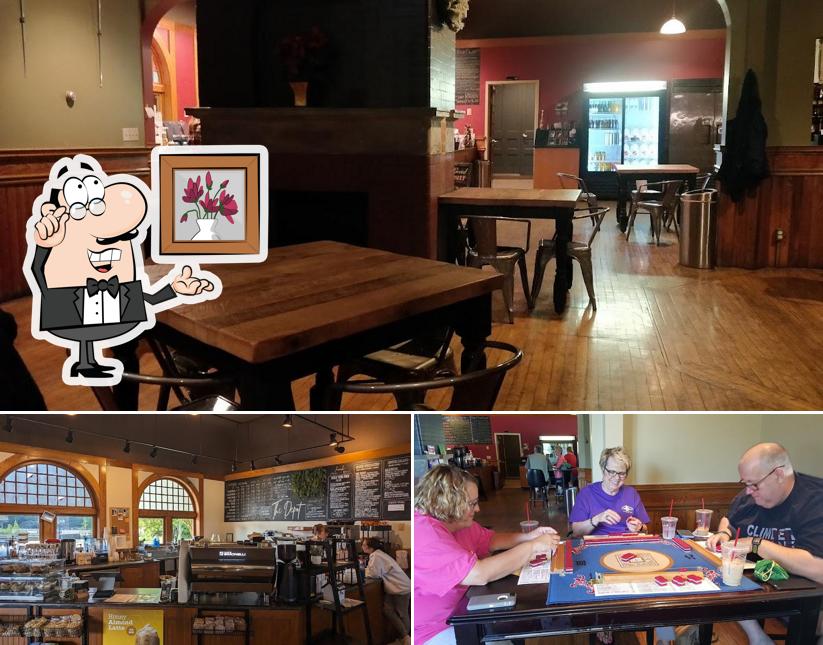
A faster, warmer, more useful website direction for a real Urbana staple: historic train-depot atmosphere, online ordering, gift cards, menu discovery, reviews, and local search in one polished customer path.
The Depot is not just another coffee stop. It has a historic railroad building, loyal regulars, specialty drinks, lunch, gift cards, online ordering, outdoor seating, and the kind of local personality a template site cannot fake.
Square ordering, gift cards, email signup, the bold red brand color, the circular coffee-pot logo, and the real train-depot setting.
The menu story, historic building, review proof, customer paths, and local search signals are present in pieces but not organized into a clear visitor path.
A mobile-first site that makes it easy to order, buy a gift card, browse specialty drinks, find hours, get directions, and understand why the stop is worth it.
This is a respectful refresh, not a forced replacement. The public site already points to ordering, gift cards, hours, map, phone, and email. The opportunity is to make those pieces feel intentional and turn the brand assets into a stronger front door.
Sources used for this draft: depotcoffeehouse.com, current menu PDF, Yelp, Tripadvisor, Restaurant Guru, public business listings. Photos are mockup references and should be replaced or approved before launch.
Current homepage: logo, nav, order button, one hero image, location/hours, and email signup.
I built a working homepage direction that keeps the red/black brand, uses the real logo, brings in train-station visuals, and gives customers a clearer path to order, visit, browse, and sign up.
This is a live mockup, not final design. Colors, photos, sections, menu items, wording, and integrations can change after you review it.
The concept uses depot-line artwork, animated coffee steam, a menu browser, a drink builder, customer review proof, and a plan-your-stop section instead of a plain brochure layout.
The goal is to keep the systems that already work, then rebuild the public-facing experience around the parts customers actually need.
*Public rating/review counts cited by Restaurant Guru from Google at research time. Confirm before sending.
Turn key PDF and ordering content into easy mobile sections: specialty lattes, lunch, baked goods, iced drinks, and seasonal features.
Use the building, platform seating, rail history, customer memories, and local feel as the reason to choose The Depot over a generic chain.
Check hours, email, listings, review visibility, photos, schema, and search snippets so Google, Maps, and AI search read the business clearly.


Every important action gets a direct route. People should not have to hunt for hours, order links, gift cards, the latte list, or where to park.
The refresh should not rip out Square ordering or gift cards if those systems are working. The website should frame them better, track them better, and make them easier to reach from a phone.
Confirm goals, exact pages, menu priorities, hours, active emails, Square links, photo approval, and what should be editable after launch.
Homepage, menu sections, visit page, story content, order/gift card routing, and mobile layout.
Schema, metadata, Search Console, analytics, event tracking, and local-listing recommendations.
Mobile checks, form tests, link tests, image compression, redirects if needed, final copy approval, and launch checklist.
Final investment should be confirmed after a short access/content review, exact page count, Square/ordering requirements, and ongoing support preferences. Pricing is intentionally left for Henry to approve before this is sent.
Best if you want a clean credibility upgrade without changing the operating stack.
Entry packageBest fit: stronger site, local search structure, review proof, menu pages, and customer paths.
Recommended packageBest if you want the site plus monthly content, local SEO, review, and seasonal update support.
Setup + monthlyPublic sources show strong proof: high ratings, hundreds of photos, top coffeehouse rankings, and review language around the historic building, sandwiches, pastries, espresso drinks, atmosphere, and bike-trail stop.
The website should display that proof instead of leaving it scattered across Google, Yelp, Tripadvisor, Facebook, and Restaurant Guru.
Hours, pricing, specials, menu availability, and photos should be confirmed before the site goes live.
The build improves the foundation. Search results still depend on competition, reviews, listings, content, and ongoing signals.
Square ordering, gift cards, payments, and delivery behavior remain dependent on the selected ordering platform.
Domain, website files, core content, approved assets, and account access should stay under the business owner’s control.

The mockup gives you something real to react to. If the direction feels right, the next step is confirming scope, pricing, photo usage, menu details, and launch access.